 Ossip van Duivenbode
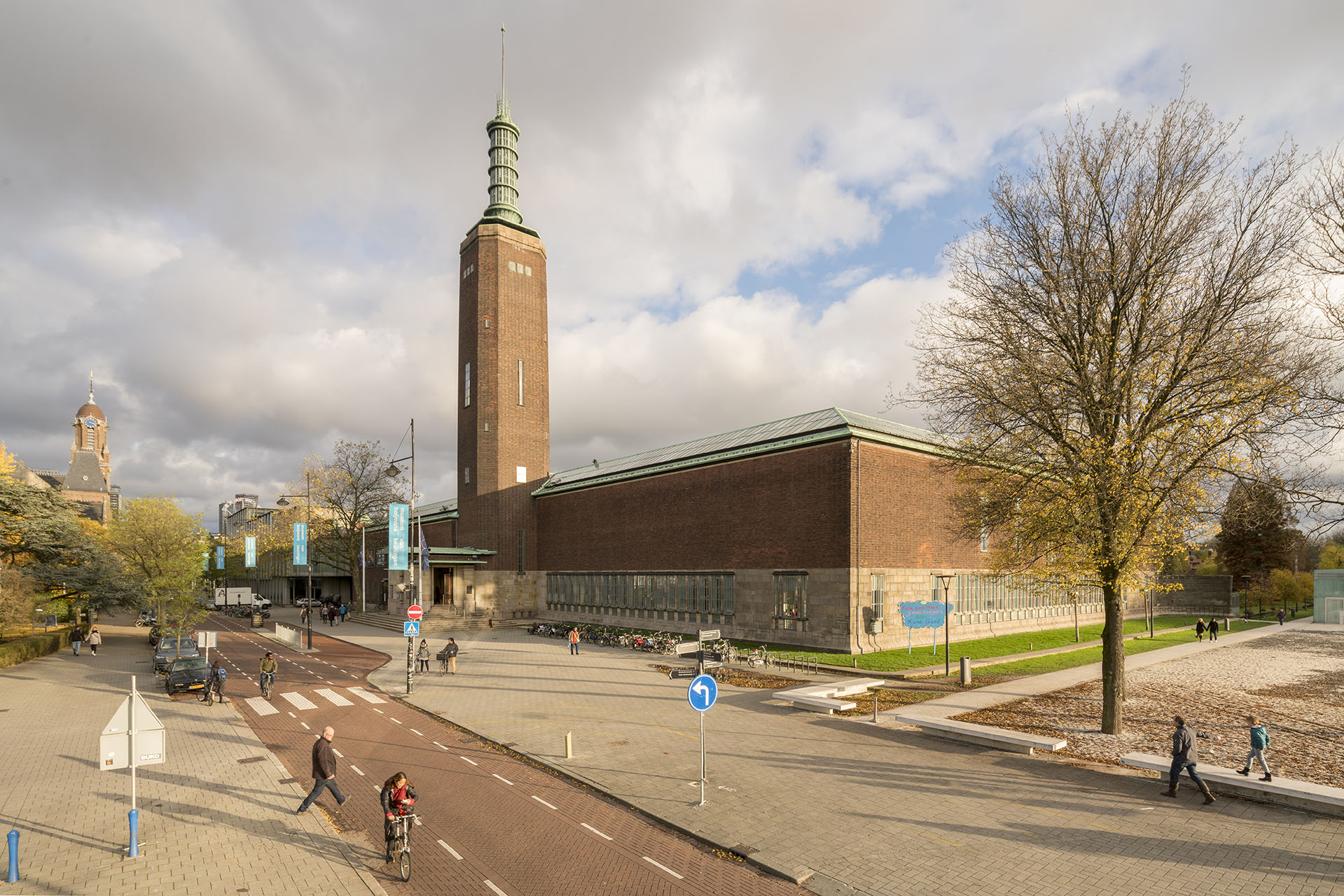
Van der Steurgebouw
Rotterdam, a city known for its innovative architecture and vibrant cultural scene, is home to the Museum Boijmans Van Beuningen. The official name of the building is “Van der Steurgebouw”. It is a remarkable institution that houses an extensive collection of art and artifacts. Located in a distinctive building, the museum is not only a cultural treasure trove. It is also an architectural marvel that adds to the city’s rich tapestry of design.
A Historical Overview
The Museum Boijmans Van Beuningen, often referred to simply as the Boijmans Museum, has a long and storied history. It was established in 1849, making it one of the oldest museums in the Netherlands. Over the years, the museum has amassed an impressive collection of art and cultural artifacts, spanning a wide range of periods and styles. Its diverse holdings include works of Dutch and European painting, sculpture, decorative arts, and much more.
The Design of Van der Steurgebouw
The Van der Steurgebouw, where these treasures are housed, is a work of art in itself. The current structure was designed by renowned Dutch architect Ad van der Steur and opened to the public in 1935. Its architectural style is characterized by a combination of modernist and Art Deco elements, reflecting the design trends of the early 20th century.
Architectural Ingenuity
The Museum Boijmans Van Beuningen, designed by Ad van der Steur, is a striking example of architectural ingenuity that seamlessly blends artistic beauty with practical functionality. Its Art Deco façade, adorned with intricate brickwork and detailing, exudes an air of timeless elegance. The symmetrical design of the building’s exterior, a hallmark of the Art Deco movement, is both visually captivating and harmonious within its urban context.
Inside, the museum’s layout is a testament to modernist principles. The galleries and exhibition spaces are thoughtfully organized to optimize the presentation of artworks. Natural light is harnessed and controlled to create the ideal ambiance for appreciating the collections. Van der Steur’s design prioritized the visitor’s experience, ensuring that each gallery flows seamlessly into the next, allowing for a cohesive journey through the museum’s rich and diverse holdings.
Ad van der Steur: Architect Extraordinaire
Ad van der Steur, the architect behind the Museum Boijmans Van Beuningen, was a distinguished figure in Dutch architectural history. Born in 1893, he was a contemporary of the Art Deco and modernist movements. Van der Steur’s work often reflected the architectural trends of his time while incorporating his own unique vision.
His contributions to the museum’s design extended beyond its façade and layout. Van der Steur’s attention to detail ensured that the building was not only aesthetically pleasing but also functionally efficient. He believed in the power of architecture to shape society and create meaningful spaces, and his work on the museum exemplifies this belief.
In addition to the Museum Boijmans Van Beuningen, Ad van der Steur left a lasting mark on Rotterdam’s architectural landscape with several other notable projects. His architectural legacy in the city and beyond continues to inspire architects and urban planners to this day.
Renovation of Van der Steurgebouw
As from September 2021, the Museum Boijmans Van Beuningen undergoes a significant renovation project. The renovation aimed to address the building’s aging infrastructure and create more modern exhibition spaces. It was also envisioned as an opportunity to enhance the museum’s capacity to host temporary exhibitions and engage with a wider audience.
The museum’s future prospects, therefore, include an even more dynamic role in Rotterdam’s cultural scene, building on its rich history and the architectural significance of its building.
The New Depot
In addition to its historic main building, the Museum Boijmans Van Beuningen is also known for its cutting-edge architectural innovation. This striking new depot, which opened its doors to the public in late 2020, is a true architectural marvel. Designed by the internationally acclaimed architectural firm MVRDV, the depot offers a groundbreaking solution to the challenges of storing and displaying the museum’s extensive collection.
 Iris van den Broek
 Iris van den Broek
 Guilhem Vellut
 Ossip van Duivenbode
 Gerardus
 Ossip van Duivenbode